
Trending Games

Fruit Catcher Apple

Soccer Simulator

Fruit Drop

Solitaire World

Fruit Drop Puzzle Game

Sort and Style Back to School

Fruits Mania

Space Asteroids War

Space Bike

Funny Pull the Beard

Space Brawlers Tds

Furry Wedding Proposal

Space Diamond Miner

Gaint Run Color Switch

Space Geometry Dash Waves

Galaxy 2048

Space Shooter War

Galaxy Blaster

Space Surfer
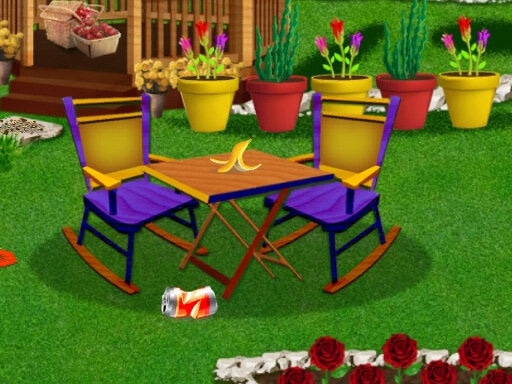
Garden Decoration and Cleaning

Space War Symphony

Gear Shift Race

Spacebattle

Gem Runner
How the Trending List Is Built
What gets listed as trending on QuilPlay is not a ranking of what we want you to play. It is a reading of what players actually chose over the past few days. The calculation takes three inputs: total session count in a rolling window, rating quality so that popular junk does not dominate the top, and velocity — the rate at which a title is accumulating new plays compared to its baseline.
The weighting matters. A game can be the most-played title on the site for a week and still slip below a newcomer that is growing three times as fast. That is by design. The list exists to surface momentum, not to anchor legacy popularity. A year-old puzzle title that suddenly catches on because someone posted a clip is exactly the kind of thing the trending page should reveal.
What Tends to Trend
Certain genres surface on the trending page more often than others. Physics-based arcade titles tend to spike when a particular level clip circulates. Simulation games like Idle Restaurant Game and Cities Game build steadily rather than peak, so they tend to hold mid-to-upper positions for weeks at a time. Action and platformer titles can ride short spikes, often triggered by tournament chatter or streamer attention.
Puzzle games are the quiet winners of the trending list. They rarely top the charts, but they linger. A title like Brain Puzzle Tricky Quest builds a loyal population that returns daily, which keeps it on the leaderboard even when flashier games briefly outpace it. That is the difference between viral popularity and durable popularity, and both show up here.
Why Crowds Read the Room Better Than Algorithms
Platforms usually lean on recommendation algorithms that optimize for whatever metric the business cares about — watch time, session length, ad impressions. Crowd behavior optimizes for something simpler: did the player actually enjoy the game. When hundreds of independent people converge on the same title in a short window, that convergence is a more honest signal than any model could produce.
The trending page is, in that sense, a consensus report. It surfaces titles that players are voting for with their time. Some weeks it leans toward polish and production value. Other weeks it leans toward an obscure indie game that someone discovered and shared. Both outcomes are trustworthy because they reflect real choice rather than editorial pressure.
Are trending games the same as the highest-rated games?
Not necessarily. Trending reflects current momentum. A highly-rated title whose play count has plateaued will fall below a newer game that is growing fast. The two lists answer different questions — one measures enduring quality, the other measures what is happening right now.
How often does the trending list update?
Ranking recalculates continuously against a rolling window. Noticeable shifts happen every few hours, with the biggest changes usually occurring overnight as different regional player populations come online and offline.
Why does my favorite game not appear in the trending list?
The list is weighted toward recent momentum. A game that many people love but few people are actively playing this week will not trend. The all-time leaderboards and category pages are better places to find enduring favorites.