
Hotline Miami

More Games
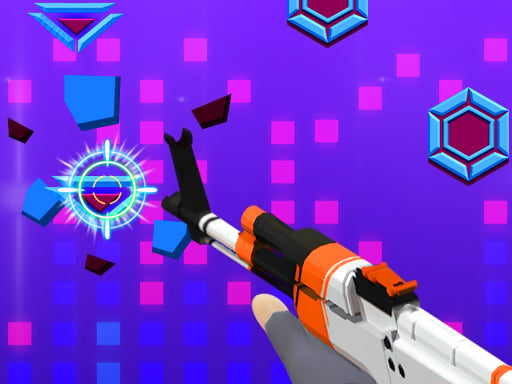


Controls and the first minute of play
You move first, and that movement is the whole game. On PC it’s WASD for positioning, left mouse button to shoot, R to reload, and 1/2/3 to swap weapons. On mobile, the left joystick handles movement, the right joystick handles shooting, and tapping the weapon slot swaps what you’re holding.
The important detail is that shooting isn’t the hard part — commitment is. When you press into a doorway, you’re deciding what angles you’re willing to risk. Most rooms punish hesitation because enemies don’t wait for you to line up a perfect shot, but rushing blindly gets you clipped just as fast.
Reloading matters more than it sounds. A lot of deaths happen right after a “good” gunfight, when the next enemy appears and you’re stuck on an empty click. If a room has multiple entry points, it’s often safer to reload behind cover even if you only fired a few rounds, just to keep your next encounter clean.
Weapon swapping is the quiet safety net. The 1/2/3 keys (or the weapon slot tap) turn “I’m out of ammo” into “I can finish this,” as long as you remember what you picked up. Players who survive longer tend to swap early rather than squeezing the last bullet out of a gun.
What Hotline Miami is actually asking you to do
Hotline Miami plays like a series of small, brutal puzzles dressed up as an arcade shooter. Each level is broken into rooms packed with enemies, and the objective is simple: clear them out and keep moving. There’s no long health bar to manage and no cushion for sloppy trades. One mistake is usually the last mistake.
That one-hit lethality changes how the “shooter” part feels. The best line isn’t always the fastest line; it’s the one that reduces unknowns. Corners become information tools, doorways become pressure points, and the open center of a room becomes a place you cross only when you’ve already decided what you’re going to do on the other side.
The game’s retro neon look does more than set a mood. Enemies and weapons read clearly against the bright backgrounds, so when you die, it rarely feels like you missed something visually. The feedback loop is sharp: you see the problem, you restart, you try a cleaner route.
Runs through a single room often last only 10–20 seconds, which sounds small until you realize how much thinking can fit into that span. The game keeps pulling you into that cycle of planning, acting, and instantly paying for whatever you overlooked.
How it changes as you push deeper
Early on, Hotline Miami teaches the basics in a quiet way: peek, commit, reset. The difficulty ramps when enemies start covering each other’s angles, because a “safe” duel stops being safe the moment a second enemy can see the same doorway. That’s usually where players start using movement as bait — stepping into view for a half-second just to pull a shot, then punishing the timing.
Weapon variety becomes a pacing tool rather than a power fantasy. Some guns feel comfortable because they end fights quickly, but they also encourage you to stay exposed longer than you should. Other weapons are less flashy yet more forgiving because they let you take a shot and immediately reposition. After a few levels, the real question isn’t “What’s strongest?” but “What fits this room’s sightlines?”
The middle stretch tends to create a specific kind of pressure: you clear one room cleanly, then you enter the next with the wrong magazine count and the wrong plan. That’s where reload discipline starts paying off. Players who reload between rooms, even when it feels unnecessary, usually reach the later sections more consistently because they stop losing to empty guns.
As layouts get more complex, the game quietly rewards scouting. Taking a half-step into a room to reveal enemy positions and then backing out is often more valuable than firing first. It feels almost like the game is teaching patience inside a genre that usually praises speed.
The thing that surprises people: it’s not really about speed
From the outside, Hotline Miami looks like a sprint: neon blur, loud shots, quick deaths. But once you play a few levels, it starts feeling more like careful editing. You’re trimming risk out of a route until what’s left is simple enough to execute under stress.
The scoring and “clean run” mentality push that idea further. Even when the game encourages you to keep moving, the better results often come from controlled aggression: entering a room with a plan, taking one decisive exchange, and immediately changing position. The score chase ends up rewarding consistency and room knowledge more than raw twitch aim, which is an unusual tilt for an arcade shooter.
The soundtrack and color palette also do something subtle: they heighten the sensation of speed without necessarily requiring it. The music makes every room feel urgent, yet the game is happiest when you’re calm. That tension — between what the game feels like and what it actually demands — is a big part of why it sticks.
- Use doorways as switches: step in, take information, step out.
- Reload behind cover between rooms, not during the first exchange.
- Swap weapons early if your current gun doesn’t fit the room’s angles.
Quick Answers
Is Hotline Miami harder on mobile than on PC?
Usually, yes. The twin-stick setup works, but fine aim adjustments and quick weapon swaps are easier with a mouse and number keys, especially in tight rooms where one missed shot ends the attempt.
Should you try to clear levels as fast as possible?
Speed helps, but clean lines help more. Most successful runs come from repeating a safe route you can execute every time, then gradually shaving seconds off once the room stops surprising you.
Read our guide: The Best Shooting Games in Your Browser
to leave a comment.