
Jelly Shift Shape Control

More Games


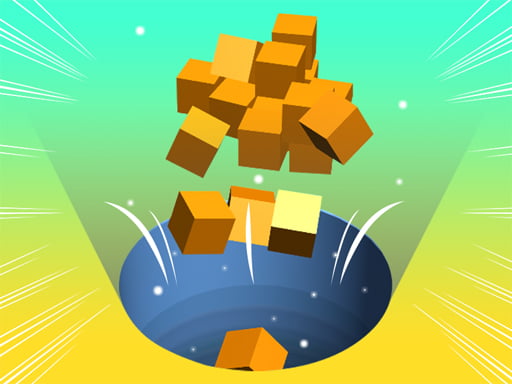


Stop over-squeezing
The most common way to lose is holding the press too long and turning your jelly into a pancake when you don’t need to. The game isn’t asking for “as flat as possible” all the time. It’s asking for “exactly flat enough.” If you stay crushed, you’ll slam into the next low barrier because you can’t rise quickly enough.
Think in short holds, not long ones. Most gates come in pairs: one forces you down, the next one immediately wants you back up. People fail on the second gate because they’re still holding from the first. Release early and let the jelly rebound.
Another blunt tip: don’t chase every diamond. If a diamond line pulls you toward a narrow slit you’re not lined up for, skip it. One crash wipes the whole run, and diamonds aren’t rare enough to justify throwing attempts away.
What this game actually is
Jelly Shift Shape Control is a level-based obstacle runner where the “car” is a blob of jelly that changes height. The track scrolls forward on its own, and your only real job is fitting through moving cutouts, low ceilings, and tall gates without clipping the edges.
Each level is basically a short course with a few themed obstacle sets. Early on it feels like a toy: big openings, slow pacing, obvious timing. Later levels stop being polite and start chaining gates so close together that you’re adjusting height almost constantly.
The reward loop is simple. Finish levels, grab diamonds along the way, and spend them on cosmetic jelly characters. No stats, no loadouts, no deep progression system. You’re playing for cleaner runs and new looks.
Controls and how the shape shifting works
It’s one input: click/tap and hold to compress the jelly downward. Release to let it rise back up. There’s no left/right steering in the usual sense; the course is centered, and the gates are designed around vertical clearance.
The important part is that the jelly doesn’t snap instantly between “tall” and “flat.” There’s a bit of squish and delay, and that delay is the whole game. If you wait until you’re already at the gate to start holding, you’ll clip the top edge. If you release too late after a low gate, you’ll stay flattened and smack into the next tall divider.
A few practical habits help:
- Start your hold a fraction before the gate, not at it. The later levels assume you’ve learned this.
- Release earlier than you think. The jelly rises with momentum, and that rebound saves runs.
- If you’re entering a “sawtooth” section (up/down/up/down gates), use quick taps to set a medium height instead of fully flattening every time.
Most levels are over in roughly 20–40 seconds if you don’t crash. That’s why the game feels fast even when the speed isn’t extreme: mistakes happen quickly and you’re restarting a lot.
How it gets harder (and where it spikes)
The difficulty curve isn’t smooth. It ramps, then spikes, then calms down for a bit. The first real spike usually hits once the game starts stacking obstacles back-to-back with almost no breathing room—around the point where you’re seeing double gates and alternating ceiling/floor blocks in the same stretch.
Later, the openings get tighter in a way that punishes “full squish” play. You’ll see medium-height slots where being completely flat actually makes you collide with a raised lip on the floor, or puts you too low to clear a follow-up ridge. That’s when you have to learn partial holds and controlled releases instead of binary on/off.
There are also sections that mess with your timing by changing the visual rhythm: long empty run-ups into a sudden narrow slit, or a wide gate that tricks you into relaxing right before a low ceiling. The game likes fake-outs. If you’re failing “randomly,” it’s usually because you got comfortable on the approach.
One more blunt reality: some late levels are trial-and-error. The first time you see a weird obstacle shape, you probably won’t guess the perfect height. You learn it by hitting it once and not doing that again.
Other stuff worth knowing before you grind levels
Diamonds are mostly along the “safe” line, but not always. When the game places a diamond string through a narrow opening, it’s bait. If you’re farming diamonds for skins, you’ll get more by finishing consistently than by dying for one extra pickup every run.
The sound design matters more than you’d expect. The squelchy compression and rebound noises give you timing feedback, especially on quick tap sections. If you play muted, you’ll still be fine, but the audio cues do help you feel when you’re holding too long.
Skins are cosmetic. Some players swear certain jellies “feel” different because the shapes look taller or wider, but the hitbox behavior is effectively the same. Pick whatever looks clear to you on bright backgrounds—high-contrast colors make reading gate edges easier when things speed up.
If you’re the kind of person who hates restarting after a single mistake, this won’t be your game. It’s built around short attempts, quick failure, and repeating a level until your hands stop panicking.
Quick Answers
Why do I crash even when it looks like I fit?
You started the squeeze too late or released too late. The jelly has a tiny delay and a bit of “wobble,” so you can clip an edge during the transition even if the final height looks correct.
Do different jelly characters change gameplay?
No real gameplay advantage. They’re skins bought with diamonds. If one seems easier, it’s usually because the color/shape is easier for you to read against the obstacles.
Read our guide: Top Free Racing Games
to leave a comment.