
Squid Game Runner 2

More Games


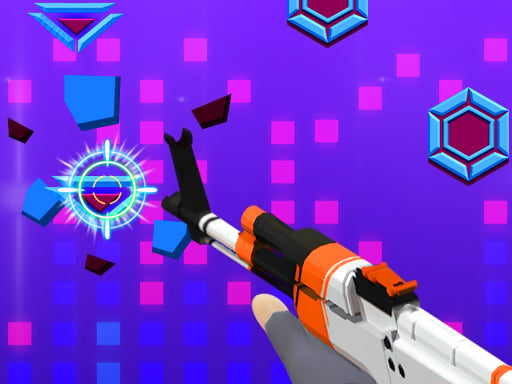


What Squid Game Runner 2 Is All About
The starting gate drops. A corridor of swinging blades and collapsing platforms stretches ahead. Every cleared obstacle feeds a rising sense of dread because the next one is always worse. Squid Game Runner 2 channels survival tension into an endless runner format where each stage introduces traps designed to catch muscle memory off guard. Following the blueprint of retro coin-op cabinet games with the identical quick-session high-score chase, runs are short, restarts are instant, and progress is measured in stages survived. QuilPlay loads the course without delay.
Stages are procedurally sequenced from a pool of handcrafted obstacle segments. The combinations shift every session, preventing memorized routes from carrying you through indefinitely.
Mastering the Controls
Space, Up Arrow, or X jumps. Down Arrow slides or ducks. Left mouse click also triggers a jump. Enter restarts instantly after a game over. The jump arc is fixed-height, so timing the press determines whether you clear an obstacle or land directly on it. Sliding has a shorter commitment window than jumping and keeps your hitbox low — use it for barriers that sit at head height. Switching between jump and slide within a split second is the fundamental skill that every advanced stage demands.
Upgrades and Progression in Squid Game Runner 2
Coins collected during runs unlock character skins and trail effects. No upgrade changes gameplay mechanics — speed, jump height, and slide duration remain constant regardless of cosmetic selection. This design choice ensures leaderboard comparisons reflect pure skill. QuilPlay displays your highest stage reached alongside total coins earned, providing both a competitive benchmark and a collection goal.
Levels, Stages, and Endless Modes
Each stage lasts roughly twenty to thirty seconds and ends with a brief checkpoint animation before the next stage loads. Difficulty escalates through three variables: obstacle speed, pattern density, and the introduction of new trap types every five stages. Stages one through five feature stationary barriers. Stages six through ten add moving platforms. Beyond stage fifteen, combinations of both appear alongside timed hazards that activate on proximity. Players who plateau around stage ten commonly fail because they react to moving platforms the same way they handled stationary ones. The fix: shift your visual focus further ahead when movement is involved, giving your brain extra processing time for trajectory prediction.
Multiplayer and Social Features
Solo runs populate a leaderboard ranked by stage reached. Comparing results with friends creates informal competitions. The most effective strategy for climbing is not raw speed but controlled pacing — surviving each stage cleanly matters more than rushing through them. A single collision resets everything. Keep your reactions sharp, your eyes ahead, and push past one more stage than your last attempt.
Quick Answers About Squid Game Runner 2
Does running speed increase automatically between stages?
Base speed increases at stages five, ten, and fifteen. Each bump is roughly ten percent faster than the previous tier. The acceleration is gradual enough that players who survived the prior stage have already adapted to near that speed, but the cumulative effect across many stages produces a noticeably faster late game.
How does Squid Game Runner 2 compare to retro coin-op cabinet games?
Both share the identical quick-session high-score chase, but Squid Game Runner 2 layers procedurally sequenced stages over the classic single-life structure. Traditional cabinet games use fixed level layouts, while this title shuffles segment order to keep each run unpredictable.
Can I pause the game mid-stage without losing progress?
Pressing Escape or tapping the pause icon freezes the stage. Resuming returns you to the exact frame where you paused. No progress is lost, and the obstacle positions remain unchanged, letting you resume without a split-second ambush.
to leave a comment.