
Crossy Zombie Game

More Games




The mistake that ends most runs
Most deaths come from moving on habit instead of waiting for a safe “window.” The game punishes extra clicks: one rushed hop can put the character into a lane just as a vehicle reaches it, or onto a river gap with no safe landing.
A reliable rule is to pause before every new row and check what threatens that row specifically. Traffic lanes are about timing, while rivers are about landing on something stable. Zombie zones are about not getting surrounded, which usually means not stopping in the middle of open ground.
Another common mistake is hugging the edge of the playable area to “avoid” enemies. In practice it reduces escape options. When zombies close in from the sides, having two directions to retreat is safer than being pinned against a boundary.
Runs tend to end quickly if you chain moves without reassessing. Most early attempts last about 30–60 seconds because the first panic moment turns into three fast clicks in a row.
What this game is
Crossy Zombie Game is an arcade survival runner built around short, repeatable runs and score chasing. The player advances forward one step at a time through a grid of hazards: roads with fast vehicles, rivers that require safe platforms, and sections where zombies threaten from multiple angles.
Progress is measured by how far forward the character gets before dying. The level layout is presented as a sequence of rows, and each row has a simple rule: it is either safe ground, a vehicle lane, a water section, or a zombie-filled area. The point is not to “clear” a stage; it is to keep moving and stay alive as the game speeds up and adds pressure.
The game’s structure encourages quick resets. A full run is usually a few minutes at most once the difficulty ramps up, and early deaths happen fast. That makes it easy to learn patterns: which lanes have faster traffic, how long you can wait before a safe platform drifts away, and how quickly zombies cut off the obvious routes.
Controls and how it works
The listed control method is mouse-only: click to press buttons in menus and on-screen UI. Starting a run, restarting after death, and confirming any prompts are all done through clicks.
Movement itself is handled through the game’s on-screen control scheme (as presented during play). The core action is advancing one “tile” at a time. The game is strict about commitment: when you take a step, you occupy the next row immediately, so the timing of the click matters more than holding a direction.
Each hazard type expects a different kind of decision:
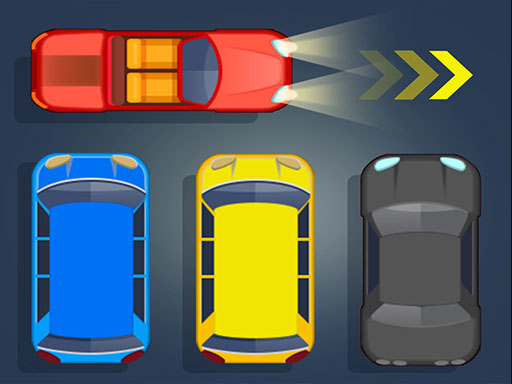
Road lanes: wait, then step when the lane is clear. Vehicles can appear in quick clusters, so a gap is not always followed by another gap.
Rivers: treat them like moving platforms. You need a safe landing; stepping onto water without a platform ends the run.
Zombie sections: keep your options open. Stopping is sometimes necessary, but stopping in the center of a row makes it easier for zombies to close from both sides.
Scoring is tied to survival and forward progress. The safest way to build score is consistent single-row advances rather than risky multi-click bursts to “catch up” after waiting.
How it gets harder over time
The difficulty increases by tightening the timing margins and reducing “free” space to recover. Early rows usually allow generous gaps in traffic and simpler water patterns, which gives new players time to understand what kills them. Later, the game shifts toward faster moving hazards and rows that require immediate choices.
Traffic pressure ramps first. After you have advanced a moderate distance, vehicle lanes start to feel less predictable because gaps are shorter and arrive less regularly. A pattern that felt safe earlier (step as soon as one car passes) becomes a trap when a second car follows closely behind.
Rivers become more demanding once you are forced to chain multiple correct landings. The game starts to create situations where waiting too long means the next safe platform is already drifting away, but moving too early means you land on a bad spot or miss the platform entirely. This is where many runs that reached “mid-game” end, because a single missed landing is instant death.
Zombie sections add a different kind of difficulty: positional pressure. Instead of reacting to one moving object, you react to multiple threats that limit where you can stand. The noticeable spike usually happens when zombies start to arrive from both sides often enough that backtracking becomes dangerous. At that point, playing too slowly is as risky as playing too fast.
Other things worth knowing
Short, deliberate movement is the game’s safest default. Even when you want to push forward for a better score, it is usually better to advance one row, reassess, then advance again. The game does not reward reckless speed if it ends the run; a reset costs more score than a two-second pause ever will.
Use “staging rows” to your advantage. Safe ground between hazard rows is not just filler; it is where you can wait without committing to a lane. If you step directly from one hazard row into the next, you remove your own ability to time the second hazard properly.
A practical approach that works for many players:
Before stepping into a road lane, watch at least one full cycle of vehicles so you know the spacing.
On rivers, pick your landing first, then move; clicking while undecided tends to put you into water or onto a bad platform edge.
When zombies are present, avoid corners and edges unless you have a clear exit route forward.
This game is best for players who like short runs, quick restarts, and learning by repetition. It is less suited to players looking for long-form progression or a campaign structure, because the main loop is survival, death, and trying again with better timing.
Read our guide: Action Games: A Beginner's Guide
to leave a comment.